
Categories
Insurance, 2026, Current Events, Housing MarketPublished March 27, 2026
The Great Florida Insurance Heist: What’s Really Driving Your Premiums in 2026?

The Great Florida Insurance Heist: What’s Really Driving Your Premiums in 2026?
If you own a home in Florida, you don't need to be told that the property insurance market is in crisis. By early 2025, the average annual homeowners' insurance premium in Florida reached approximately $5,600, nearly triple the national average. In high-risk areas like South Florida, premiums easily exceed $6,000.
For years, the official narrative from insurance companies and politicians was simple: excessive litigation, greedy roofing contractors, and rampant fraud were driving insurers to the brink of bankruptcy. However, a series of explosive revelations and new legislative battles in 2026 suggest a much darker reality.
Here is the real story behind Florida's insurance crisis, the secret billions hidden from the public, and what it all means for your wallet this year.
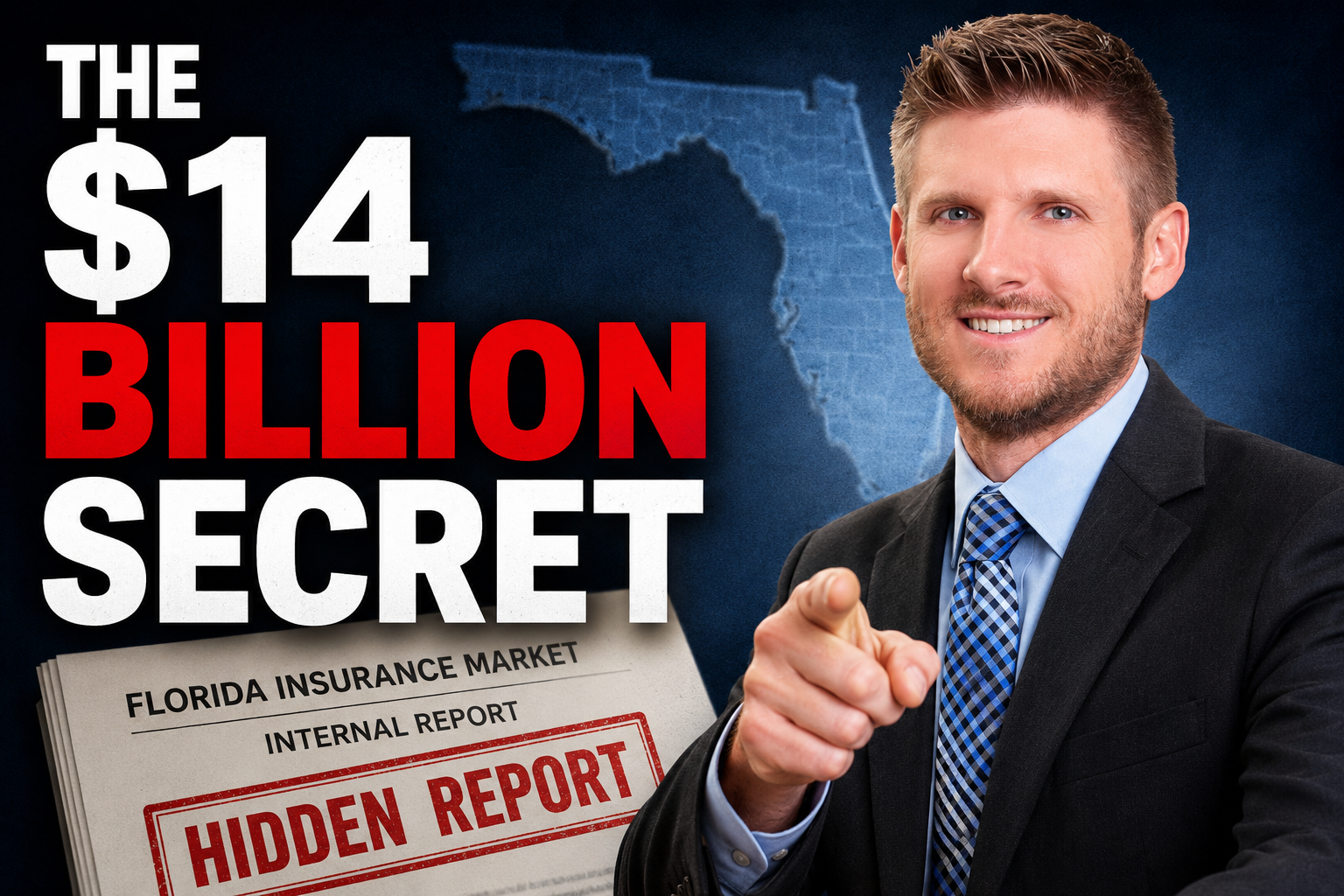
The $14 Billion Shell Game
In early 2025, investigative journalists uncovered a bombshell 2022 internal report commissioned by the Florida Office of Insurance Regulation (OIR). This report, which was kept hidden from the public and lawmakers during the height of the state's insurance reform debates, exposed a massive financial loophole used by the industry.
Florida law caps an insurance company's profit at around 4.5% of premiums to protect consumers from price gouging. However, insurers bypassed this cap using the Managing General Agent (MGA) model. Insurers would funnel massive, percentage-based fees to their own unregulated affiliated sister companies for services like claims management and policy administration.
The numbers are staggering. Between 2017 and 2019, 53 domestic insurance companies operating in Florida reported a collective net income of just $61 million, using these "losses" to justify massive rate hikes to regulators. Meanwhile, their unregulated affiliate companies raked in nearly $14 billion in profits.
The "Reforms" That Hurt Homeowners
While insurers were quietly funneling billions to their affiliates, they publicly lobbied for legislative relief. In 2022 and 2023, the Florida Legislature passed sweeping tort reforms—most notably Senate Bill 2A and House Bill 837.
These laws eliminated "one-way attorney fees," meaning that if an insurer wrongfully denies your claim, they are no longer required to pay your legal bills if you sue them and win. The reforms also banned the Assignment of Benefits (AOB), stripping homeowners of their leverage.
The industry promised these reforms would lower premiums. Instead, they created a "deny now, worry later" culture. Because it is now economically impossible for a lawyer to take on a small-to-moderate property damage dispute, insurers have little incentive to pay out. In the wake of these reforms, insurers closed 47% of all damage claims without paying a single cent—the highest rate in a decade.
The 2026 Legislative Reckoning
The outrage over the buried $14 billion report has forced the Florida Legislature to take action in the 2026 session. Here are the key bills currently shaping the market:
Cracking Down on Affiliates (HB 1399): This bill aims to close the MGA loophole by requiring insurers to prove that payments to their affiliates are "fair and reasonable". It gives the OIR the power to restrict fund transfers and forces affiliates to register with the state.
The Rate Transparency Report (HB 767): Homeowners may soon get a plain-language graphic report with every policy offer and renewal. This document will break down exactly how much of your premium goes toward reinsurance, claims costs, and corporate profits.
AI Claim Protections (HB 1263 / HB 527): As insurers increasingly use Artificial Intelligence to process and deny claims, new legislation mandates that "qualified human professionals" oversee and confirm any AI-driven decision to deny or reduce a claim.
The "New" Insurance Market: Proceed with Caution
State officials are currently celebrating a "turnaround," noting that 17 new insurance companies have entered the Florida market and that average rates for the top five auto and home insurers are finally showing single-digit decreases.
However, many of these new entrants are small, highly leveraged startups. Several are led by the exact same executives who managed companies that went insolvent just a few years ago.
Additionally, the state is seeing a massive rise in Reciprocal Insurance Exchanges, such as Praxis and Stand. Under this model, policyholders technically insure each other and are often required to pay an extra 10% "surplus contribution" just to join. While this can lower baseline premiums, it pushes the upfront financial risk directly onto the homeowner.
What Homeowners Should Do Now
While the market remains fragile, there are proactive steps you can take to protect your property and your wallet:
Invest in Wind Mitigation: The upcoming 9th Edition of the Florida Building Code (taking effect in late 2026) will mandate 160-to-180 mph wind resistance for specific high-risk envelopes. Getting a current wind-mitigation inspection and updating your roof or installing hurricane shutters can unlock substantial premium discounts.
Shop the Market: With 17 new carriers and Citizens Property Insurance heavily pushing "depopulation" (moving policies to the private market), you have more options than you did two years ago. Always request quotes from multiple carriers.
Review Your Deductibles: Many policies now feature hidden, skyrocketing deductibles for wind and hurricane damage. Read the fine print before you renew.
Florida's insurance landscape is shifting rapidly. By staying informed about your rights and understanding where your premium dollars are actually going, you can better navigate the turbulent waters of the Sunshine State's real estate market.
LISTEN TO THE PODCAST VERSION HERE

Chris Cusimano
| Homes by Cusi | Keller Williams Realty Boca Raton | PLACE | Boca Raton Realtors
or another way